
Understanding the Basics of Bluffing
Bluffing is a crucial skill in poker, often considered an art form that can significantly alter the dynamics of a game. At its core, bluffing involves convincing your opponents that you have a stronger hand than you actually do. This tactic can lead your adversaries to fold superior hands, giving you a decisive advantage. The effectiveness of bluffing hinges on timing, an understanding of your opponents’ tendencies, and a comprehensive knowledge of the game’s flow, which is similar to strategies employed by betting sites australia to enhance player engagement, making it both a strategic and psychological endeavor.
To execute a successful bluff, players need to understand the context of the game. Factors like table position, stack sizes, and players’ personalities play vital roles. For instance, if you’re seated at a table with tight players who tend to fold frequently, your chances of getting away with a bluff increase. Conversely, if your opponents are known for their loose play and propensity to call, bluffing might be a less viable strategy. Therefore, assessing the game environment is essential before attempting any bluff.
Moreover, the type of bluff executed also matters. There are various forms such as semi-bluffing, where a player bets or raises with a hand that is not currently the best but has the potential to improve. Understanding these different bluffing techniques will enhance your overall gameplay. It’s not merely about lying but rather about creating a narrative that aligns with the game’s situation, hence requiring both creativity and analytical skills.
Reading Your Opponents
The ability to read opponents is paramount in mastering bluffing. Every player exhibits certain behaviors and tells, consciously or unconsciously, that can reveal their hand strength. Observing these cues can provide critical insights into when to bluff and when to hold back. For instance, if a player suddenly becomes more animated or fidgety, they might be bluffing or overly confident in their hand. On the other hand, a player who becomes unusually quiet may be holding strong cards or contemplating their next move.
Moreover, notice the betting patterns of your opponents. Aggressive betting may indicate confidence and a strong hand, while hesitant bets can suggest uncertainty. If you can identify these patterns, you can make more informed decisions about when to execute a bluff. Paying attention to each player’s tendencies allows you to tailor your strategy according to their style of play, thus making your bluffing more effective and targeted.
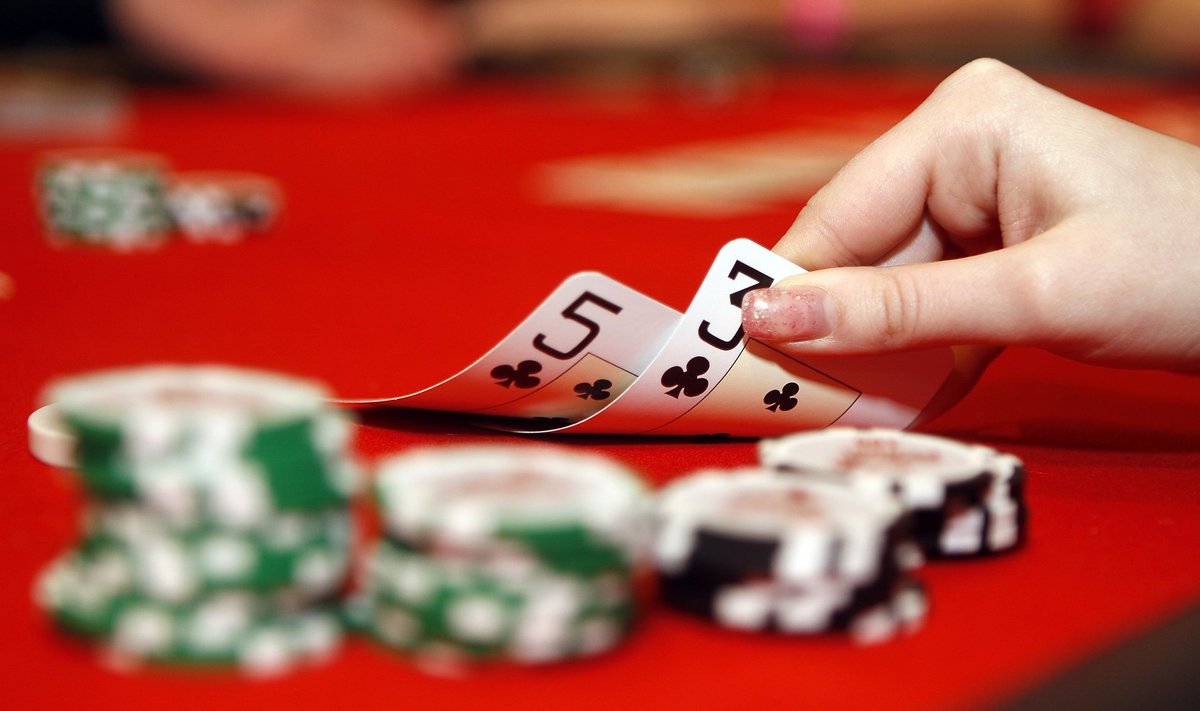
Lastly, consider the psychological aspect of poker. Bluffing isn’t just a technical maneuver; it’s about manipulation and creating doubt in the minds of your opponents. Knowing when to apply pressure and when to back off can change the game’s tide. Players who can read emotional cues and psychological states have a distinct advantage in deciding when and how to bluff, leading to more successful outcomes at the table.
Choosing the Right Moments to Bluff
Timing is everything in poker, especially when it comes to bluffing. Knowing when to bluff can be the difference between a winning hand and a regrettable loss. A successful bluff typically requires a scenario where your opponents are likely to fold. This moment often arises when the board shows cards that suggest higher-value hands, allowing you to represent a strong hand convincingly. Analyzing the board texture and understanding how it connects with potential hands can lead you to the opportune moment to bluff.
Additionally, your table image plays a significant role in bluffing opportunities. If you have established yourself as a tight player who only bets with strong hands, your opponents are more likely to believe your bluffs. Conversely, if you’ve been playing aggressively and frequently gambling, opponents may call you down more often, making bluffing less effective. Thus, maintaining a balanced approach to your playing style is essential for creating the right conditions to bluff successfully.
Another pivotal aspect of choosing the right moment is considering the overall game dynamics. If you notice that players are overly cautious or seem to be experiencing a streak of bad luck, they may be more inclined to fold, providing you with an opening to bluff. Awareness of the psychological climate of the table helps you gauge the risk-reward ratio of executing a bluff, ensuring that your approach is both calculated and strategic.
Common Mistakes in Bluffing
Even seasoned players can fall into traps when it comes to bluffing in poker. One common mistake is over-bluffing, where a player attempts to deceive their opponents too frequently. This tactic can quickly backfire, leading to a loss of credibility at the table. Once your opponents catch on to your bluffing habits, they will become more inclined to call your bets, rendering your bluffing ineffective. It’s crucial to strike a balance and maintain an unpredictable demeanor.
Another mistake is failing to consider the game context. Players often err by executing a bluff in scenarios where the odds are stacked against them, such as attempting to bluff against multiple opponents or in a situation where the board suggests strong hands for their adversaries. Before initiating a bluff, it’s vital to assess not just your own hand but also the likelihood that others hold better cards. A well-timed bluff can do wonders, while a poorly planned one can lead to significant losses.
Lastly, neglecting to establish a solid table presence can hinder your bluffing effectiveness. Successful bluffing often depends on your ability to sell your story convincingly. If your bets seem weak or inconsistent with your established play style, opponents may sense something amiss. Focus on building a balanced image, using a mix of aggressive and conservative tactics, so that when you do bluff, it feels natural and believable to the table.
Resources for Enhancing Your Bluffing Skills
To master the art of bluffing, continuous learning and practice are indispensable. Numerous resources are available to help you refine your skills, ranging from online tutorials and poker strategy guides to books written by top poker professionals. Engaging with these materials allows you to understand various strategies, psychological tactics, and examples of successful bluffs executed by experienced players. This knowledge can provide you with a foundation to build your creative techniques.
Moreover, studying poker theory particularly focusing on game theory optimal (GTO) strategies can enhance your understanding of perfect bluffing frequencies. Resources that cover mathematics in poker can help you grasp the odds involved in bluffing and allow you to make more informed decisions during gameplay. Understanding when and how much to bluff based on pot odds can drastically change your winning potential.
Finally, joining a poker community or forum can provide invaluable feedback and insights. Participating in discussions, sharing your experiences, and observing others’ bluffs can enrich your strategy. This environment fosters learning, growth, and practice, offering a supportive network for aspiring players seeking to sharpen their bluffing skills and overall poker strategies.
